Eco-Friendly Land Clearing Practices for Sustainable Development Feb 27, 2026
Land clearing is a critical step in preparing sites for construction, agriculture, or other uses. Traditionally, these practices have raised concerns about deforestation, soil erosion, and habitat destruction. However, as awareness of ecological impacts grows, so does the demand for sustainable practices. Adopting eco-friendly land clearing techniques is not only beneficial for the environment but also aligns with sustainable development.
One of the most effective strategies in eco-friendly land clearing is selective clearing. This method involves carefully assessing and determining which trees and vegetation need to be removed and which can remain to preserve natural habitats. Selective clearing minimizes the disturbance to the local ecosystem, helping maintain the biodiversity that is crucial for environmental balance. By working with trained professionals like those at Northern Summit Landworks, landowners can ensure that only non-essential vegetation is cleared, maintaining the ecological integrity of the land.
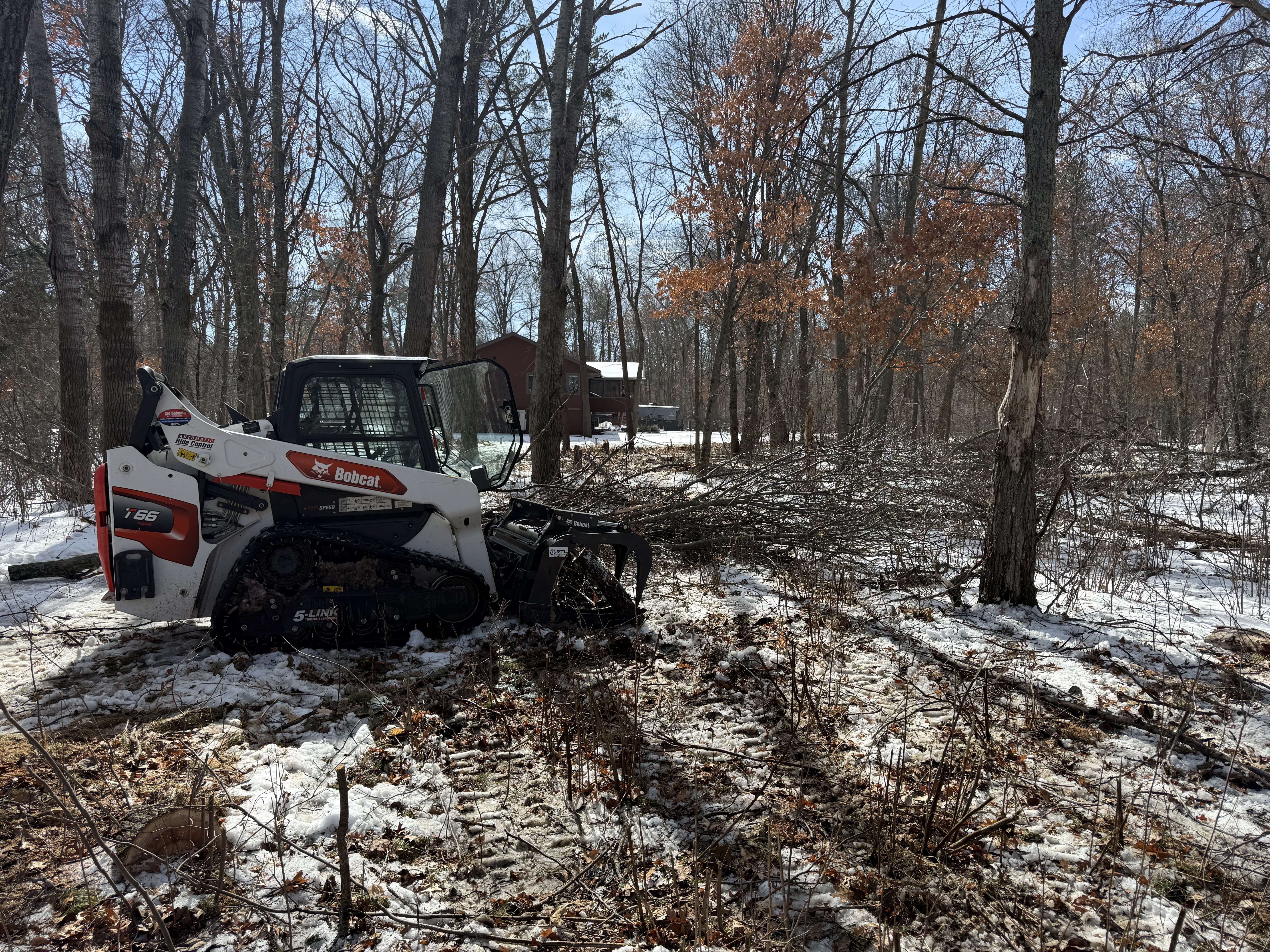
Another sustainable practice is the emphasis on using low-impact machinery. Traditional land clearing equipment can be heavy and cause significant soil compaction and erosion. In contrast, eco-friendly land clearing employs lighter machinery designed to minimize soil disturbance. These tools, in conjunction with strategic planning, reduce environmental degradation while effectively preparing the land for development. Furthermore, this approach aids in preserving the essential nutrient-rich topsoil, crucial for future land use.
Mulching is another technique that aligns with sustainable development principles. Instead of burning or hauling away cleared vegetation, mulching involves shredding it into nutrient-rich material that can be spread back over the land. This method not only recycles organic matter but also enhances soil fertility and structure, prevents erosion, and retains moisture. Such practices not only support current projects but also prepare the land for better future usability, making them a win-win for developers and the environment alike.
Moreover, the integration of an erosion control plan is paramount. These plans include planting cover crops, using silt fences, or installing erosion control blankets that hold soil in place during heavy rainfall. With careful planning and execution, potential erosion and sedimentation problems can be managed effectively, mitigating negative impacts on nearby water bodies.
Concluding, engaging in eco-friendly land clearing is not merely about compliance or improving public perception—it is about taking responsibility for our planet's future. As a customer of Northern Summit Landworks, you can rest assured knowing that these sustainable practices are at the forefront of every project. By choosing environmentally conscious methods, projects can meet their developmental goals while preserving the delicate balance of local ecosystems.
Incorporating eco-friendly land clearing practices contributes to sustainable development, ensuring that progress does not come at the environment's expense. By working with reputable companies committed to this ethos, developers can pave the way for a greener, more sustainable future. Reach out to Northern Summit Landworks for your next land clearing project and experience first-hand how eco-friendly practices benefit both the environment and your development goals.
/filters:no_upscale()/filters:format(webp)/media/6b78d806-eb99-4527-87ec-4e4034762cab.jpeg)